

General Overview
I design user interfaces and user experiences that prioritize clarity, usability, and intentional interaction. Every UI/UX project begins with understanding the product’s purpose, target audience, and user behavior to ensure the final design feels intuitive and functional, not just visually appealing.
Design decisions are guided by real-world usage, focusing on reducing friction, improving navigation, and presenting information in a way that feels natural to users. The objective is to create interfaces that are easy to understand, easy to use, and aligned with business goals.
UX Strategy & Structure
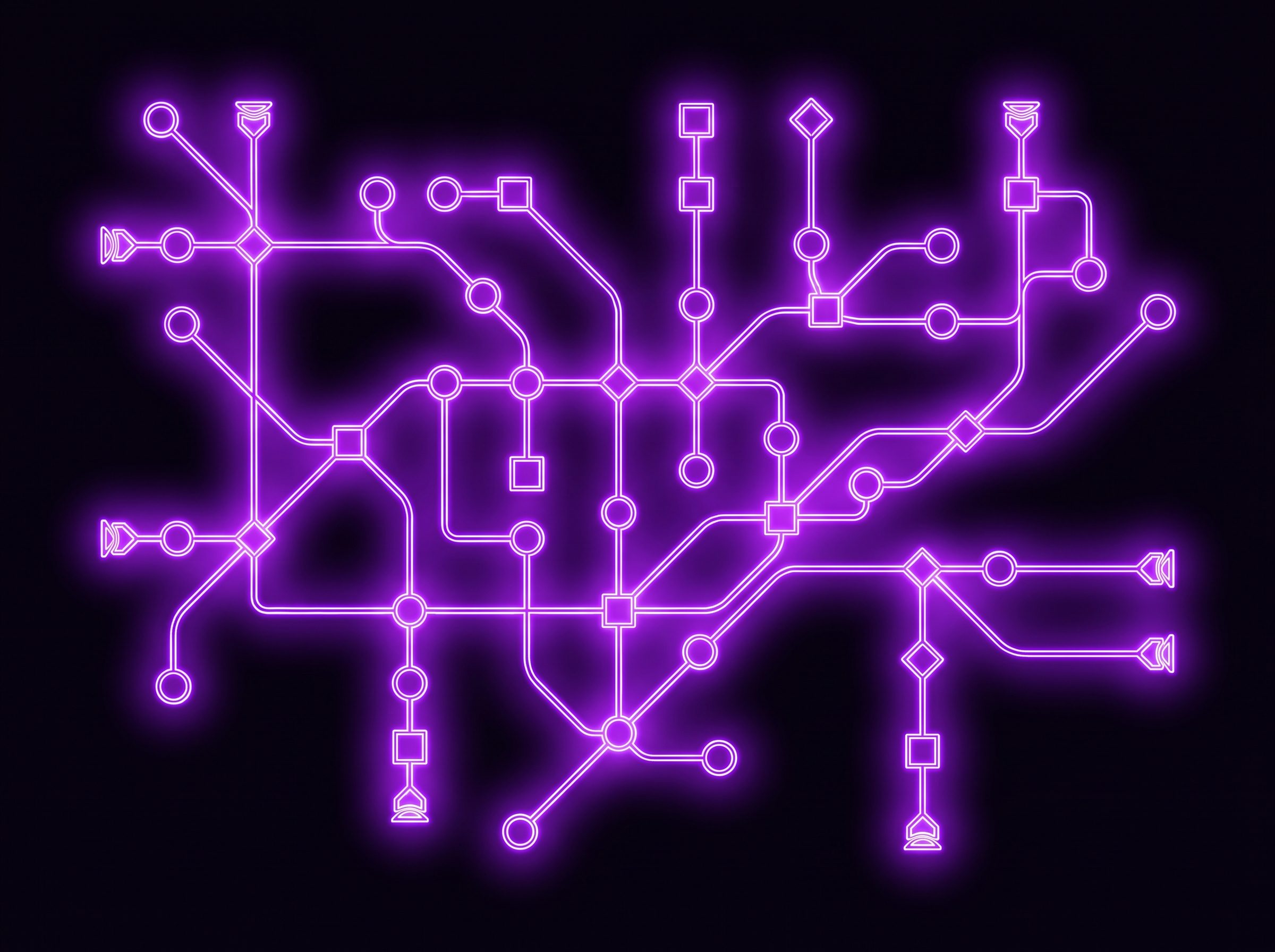
User experience design starts with structure. Before visual design begins, I focus on organizing content, defining user flows, and planning interactions to ensure users can move through the interface without confusion.
UX work includes:
This phase ensures the product is logically structured before visual styling is applied.
UI Design in Figma
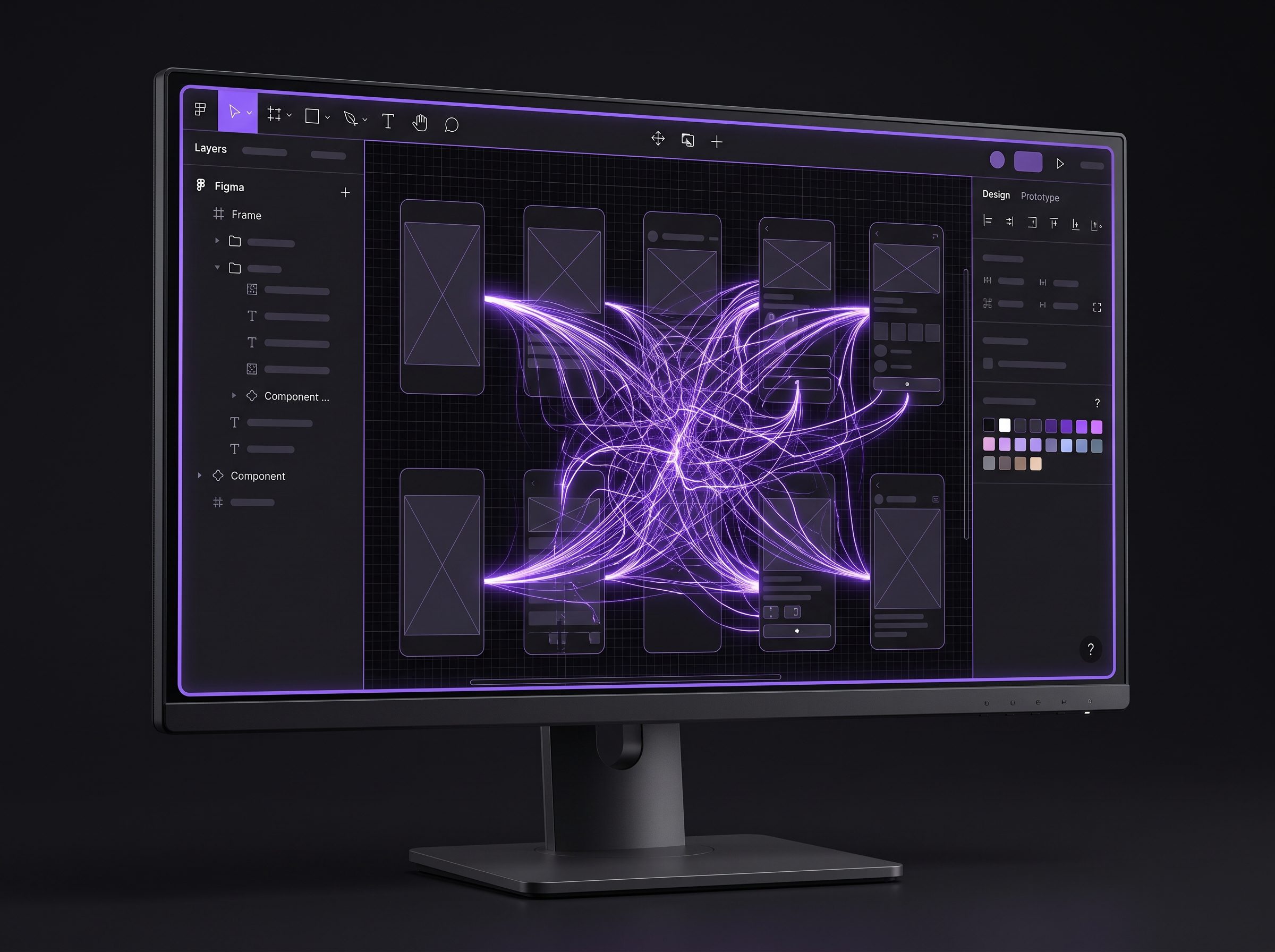
Visual design is created using Figma, allowing for clean, organized, and collaborative design workflows. Interfaces are designed with consistency and scalability in mind, ensuring visual elements can be reused across pages or screens without losing cohesion.
UI design includes:
Every interface is designed to look polished while remaining practical to implement.

Prototyping & Developer Handoff
Interactive prototypes are created to demonstrate how users will navigate and interact with the product. These prototypes help visualize transitions, interactions, and layout behavior before development begins.
Handoff-ready files include:
This ensures a smooth transition from design to development with minimal guesswork.

Usability, Consistency & Scalability
Usability and consistency are central to every UI/UX project. Designs are created to scale as products evolve, making it easy to expand features or pages without redesigning the entire interface.
This service is ideal for: